Hardware independence
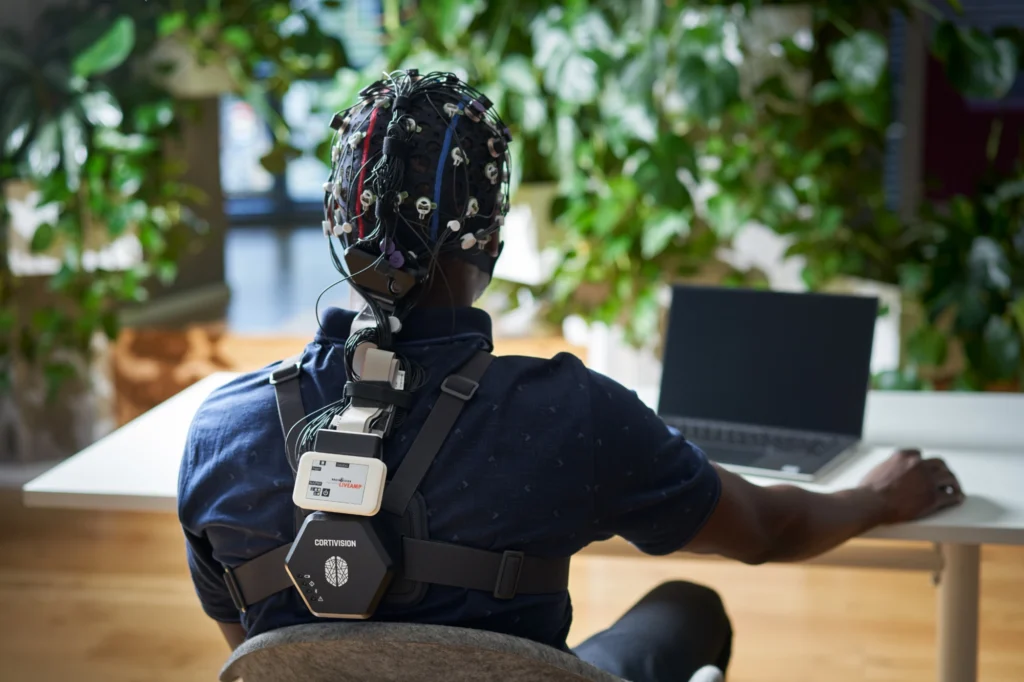
BESA operates independently of specific acquisition systems, effortlessly processing recorded EEG data from various manufacturers on a standard Windows 11 PC.
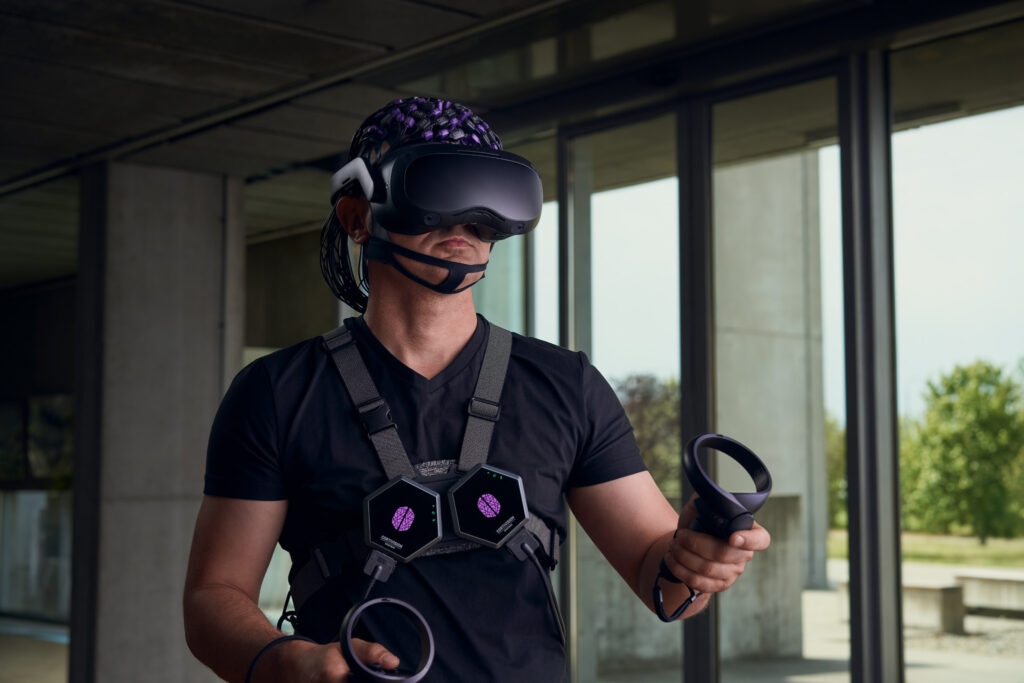
Integrating fNIRS-DOT with BESA allows researchers to leverage the spatial localization of hemodynamic responses to guide electrophysiological source analysis. Combine high temporal precision with spatial accuracy in a unified analytical workflow.


BESA operates independently of specific acquisition systems, effortlessly processing recorded EEG data from various manufacturers on a standard Windows 11 PC.

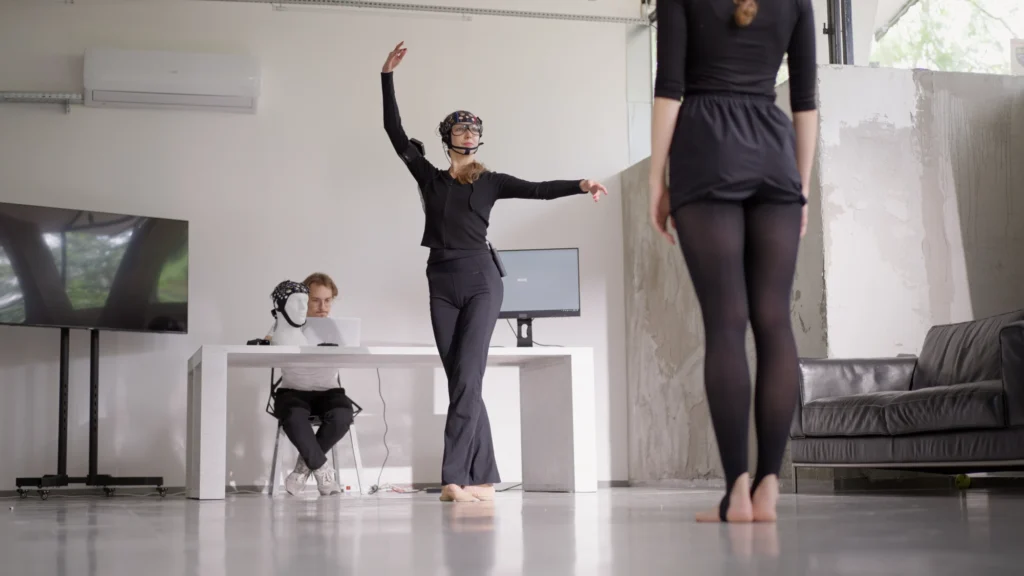
Simultaneously capture electrical and hemodynamic changes. Spatial activation from fNIRS directly informs and validates EEG source reconstruction.

Combine the precise spatial localization of fNIRS-DOT with the millisecond temporal resolution of EEG for accurate source time-course estimation.

Uncover comprehensive neural networks (such as motor-to-inferior frontal cortex links), that remain undetected when using EEG or fNIRS in isolation.
| Supported Modalities | EEG, MEG, OPM & fNIRS-DOT integration | |||
|---|---|---|---|---|
| Hardware requirements |
standard Windows 11 PC (Enhanced CPU/RAM for large datasets) |
|||
| Preprocessing tools |
filtering |
segmentation |
artifact correction (ICA/PCA) |
ERP & trigger handling |
| Source analysis methods |
discrete dipoles |
regional sources |
distributed models (LORETA) |
bayesian (SESAME) |
| Advanced analytics |
source time-courses |
time-frequency analysis |
cross-region connectivity |
group statistics |
standard Windows 11 PC (Enhanced CPU/RAM for large datasets)
filtering
segmentation
artifact correction (ICA/PCA)
ERP & trigger handling
discrete dipoles
regional sources
distributed models (LORETA)
bayesian (SESAME)
source time-courses
time-frequency analysis
cross-region connectivity
group statistics
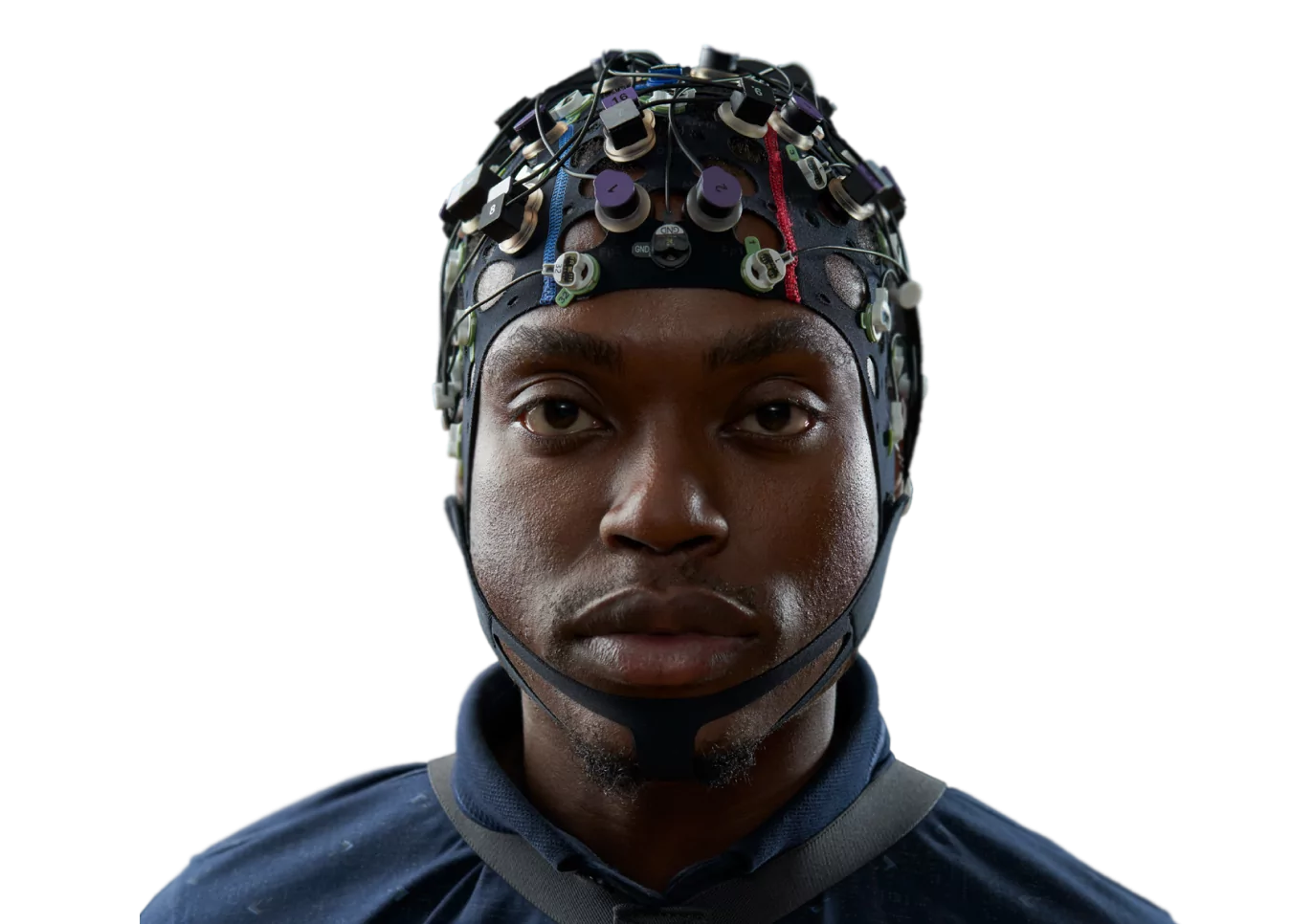
Combining fNIRS spatial localization with EEG temporal resolution delivers unprecedented accuracy in source reconstruction and brain network mapping.